This free Udacity course goes from value proposition to costs, and every lesson is a question you should ask the customer in your first week on-site.
Key Takeaways
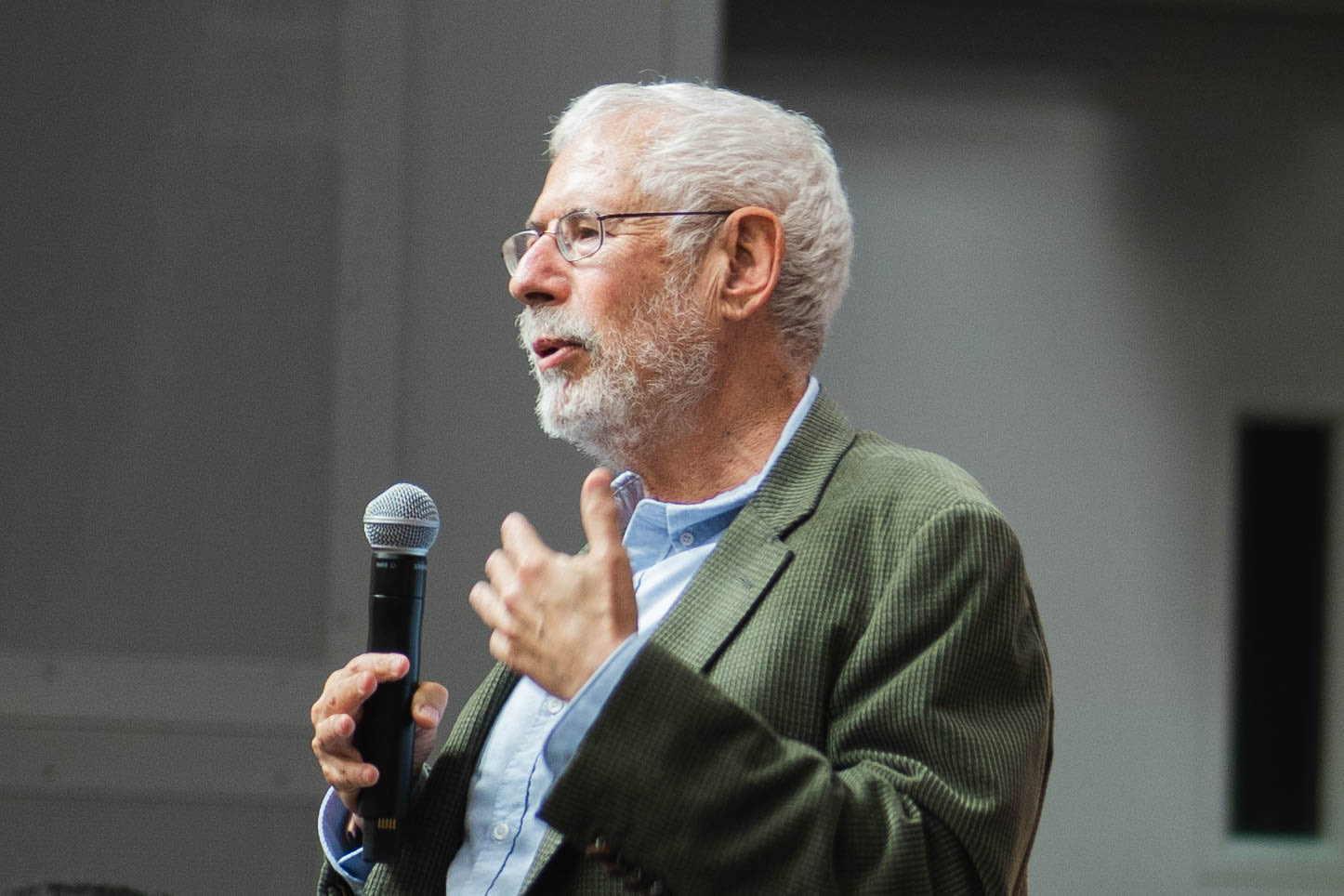
- How to Build a Startup (Udacity EP245) is a free beginner-level course taught by Steve Blank and Kathleen Mullaney, built around the customer development methodology.
- The core idea: startups are searching for a business model, while FDEs working on-site at customers are searching for the real problem.
- Learn Value Proposition, Customer Segments, and Customer Relationships first; save the rest for later.
In 2012, Steve Blank put his Lean LaunchPad course on Udacity. More than a decade later, the course is still there, now called How to Build a Startup. The course is free, and the course page was last updated on November 14, 2025. It was written for founders, but a Forward Deployed Engineer (FDE) who has just taken over a new project will find that it describes their daily work.
The reason lies in one sentence from Udacity's introduction to the course: a startup is an organization searching for a business model. Replace "startup" with "deployment project," and you have an FDE's first week at a customer site. You don't yet know who actually uses the product, who makes the decisions, or which problem is worth solving. Everything is still in search mode.
What Is This Course?
On Udacity, How to Build a Startup has the course code EP245, is beginner-level, and is taught by Steve Blank and Kathleen Mullaney. Udacity is now owned by Accenture. The course consists of video lectures, quizzes, and assignments, matching Blank's original 2012 description.
The entire course is built around Customer Development. Blank himself calls it the formal methodology he designed for finding a business model. According to Udacity, the course contains the full eight-lesson Lean LaunchPad curriculum for learning and testing hypotheses.
The syllabus on the course page has about 13-14 lessons. It starts with Value Proposition and Customer Segments, moves through Channels, Customer Relationships, and Revenue Model, and ends with Partners, Resources, Activities & Costs.
Every Lesson Is a Question to Ask the Customer
These lesson titles all sound like business jargon. But translated into the language of an engineer working on-site at a customer, each lesson becomes a specific discovery question. The table below is one reference interpretation, not the course's original text.
| Course Section | Question the FDE Should Bring to the Customer |
|---|---|
| Value Proposition | Once the system is running, which of the customer's tasks will become faster or cheaper? How will you measure it? |
| Customer Segments | Who uses it every day, who pays for it, and who has the power to say "no"? |
| Channels | How do results reach the users: through tools they already open, or a new dashboard nobody opens? |
| Customer Relationships | Who is your point of contact, how often do you meet, and who reports when the system breaks? |
| Revenue Model | Whose budget is the project spending from? What does that person need to see before renewing? |
| Partners, Resources | Which data, access permissions, and IT teams do you depend on? |
| Activities & Costs | What must be done manually every week to keep the system running? |
Consider a hypothetical example. A logistics company wants an AI agent that answers drivers' questions. The requirements document says the users are "drivers." After studying the Customer Segments lesson, you would split them into three groups: the drivers who ask questions, the dispatchers who currently answer those questions on the drivers' behalf, and the operations lead who approves the budget.
Each group leads to different hypotheses. Maybe drivers don't want to type while driving; maybe the real pain point lies with the dispatchers, who spend half a shift answering the same question over and over. If you build the system for the drivers but the value lands with the dispatchers, the demo will still look great, but nobody will use it.
Three Ideas Worth Remembering
First, everything you know on day one is just a hypothesis. This course forces you to write down your hypotheses and then test them. This habit helps FDEs avoid the most costly mistake: strictly following the requirements document instead of building what the customer actually needs.
Second, "the customer" is not one person. Once you list the users, buyers, and approvers separately, you know which question to ask whom; you can also tell which "agreements" carry no weight, because the person saying them has no decision-making power.
The third point is about the course format. Because there are assignments, you must take your hypotheses out and test them, not just watch the videos. Needs discovery, like debugging, is a hands-on skill that only improves through multiple rounds of asking the wrong questions and asking again.
In What Order Should You Study?
If you are an engineer short on time, start with Value Proposition and Customer Segments; these two lessons are closest to your first kickoff meeting.
Next come Customer Relationships and Channels, which correspond to the phase of integrating the system into real workflows. Revenue Model and the Partners, Resources, Activities & Costs group can wait until later, when you start needing to prove value and worry about renewals.
The course is best suited for software engineers who want to move into FDE roles, and for first-year FDEs who discover they are good at building but often ask the wrong questions. If you have already spent a few years in solutions engineering or consulting, most of the content will feel familiar, but the canvas framework is still worth mastering, as it makes needs-discovery meetings more structured.
For career development, keep an eye out for FDE roles that mention "customer discovery" or "scoping." In interviews, this is exactly where you should tell concrete stories: what the initial hypothesis was, what evidence showed it was wrong, and how you pivoted.
On a resume, a line like "validated 5 hypotheses with 3 user groups before writing the first line of code" carries far more weight than "worked directly with customers."
Founders learn customer development to avoid building a company nobody needs. FDEs learn it for a simpler but equally important reason: to avoid deploying a system nobody opens.
Was this article helpful?
Thanks for your feedback!
3 Sources
- How to Build a Startup | Udacity
- The Lean LaunchPad Online · 2012-09-06
- Steve Blank's Lean LaunchPad Course is Live · 2024-10-23